
Busbar Rapid Prototyping
Engineering-first, drawing-based copper and aluminum busbar prototypes for EV battery systems, energy storage, power electronics, charging equipment, switchgear, and industrial power distribution.
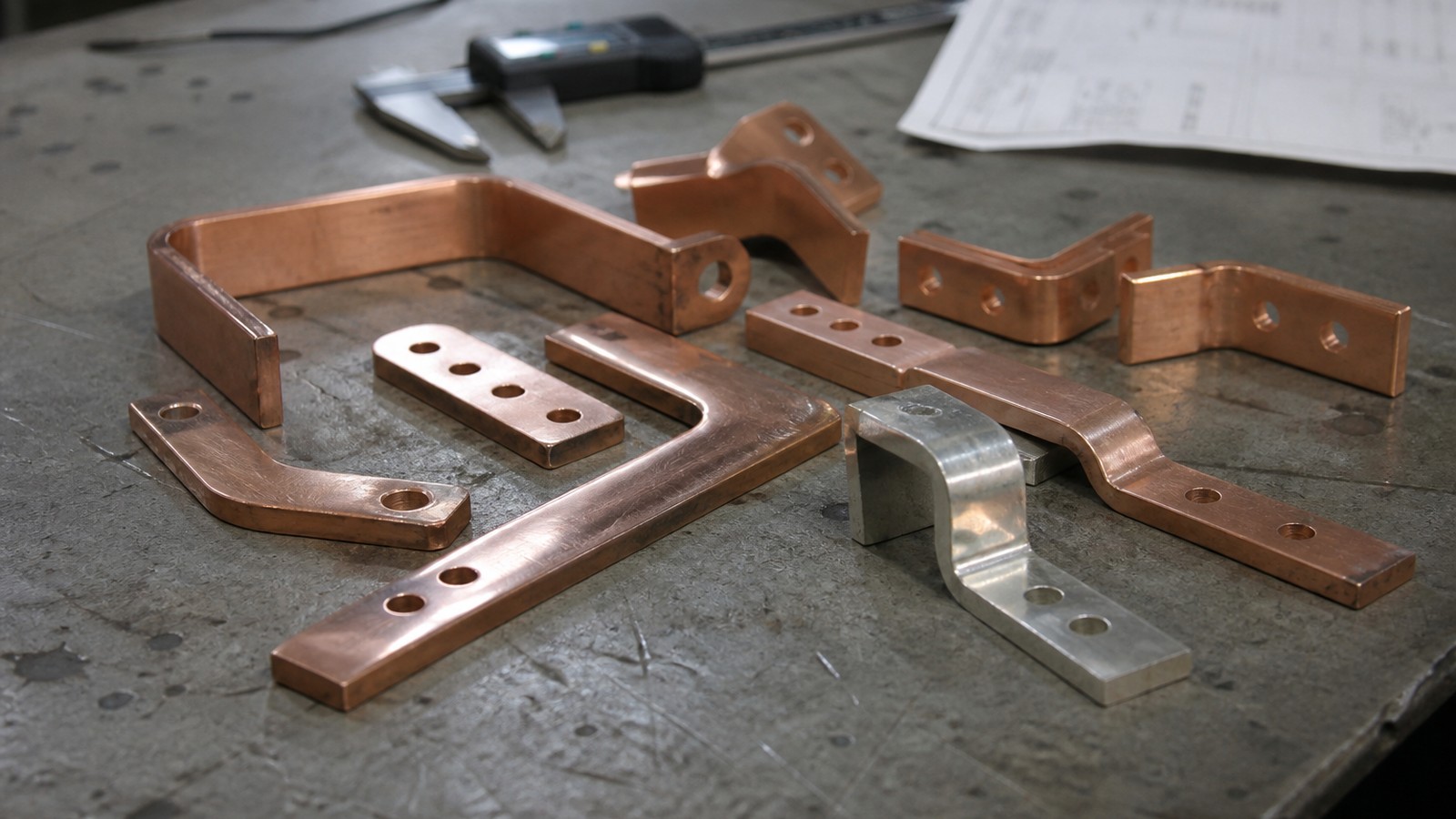
Custom busbar manufacturing
Engineering details are organized around material, tolerance, surface finish, inspection, and production readiness.
Use the inquiry module to send drawings, quantities, standards, and delivery targets for a practical manufacturing review.
Service Details
Engineering-first, drawing-based copper and aluminum busbar prototypes for EV battery systems, energy storage, power electronics, charging equipment, switchgear, and industrial power distribution.
Why BusbarMFG for Busbar Rapid Prototyping
- Engineering-first approach: prototypes designed from your drawings and application requirements.
- DFM feedback: manufacturability review covering material, thickness, insulation, plating, bends, holes, interfaces, and connection methods.
- Production-minded prototypes: parts built to support validation and a controlled transition toward repeat production.
- Confidential, B2B workflow: drawing confidentiality and transparent technical review for OEM engineering and sourcing teams.
What We Prototype
- Copper busbars: solid, flat, or formed in bare copper or with specified tin, nickel, or silver plating.
- Flexible busbars: copper foil, braided, or insulated flexible structures for vibration and assembly variation.
- Insulated busbars: heat-shrink, coated, sleeved, or otherwise insulated configurations for compact assemblies.
- Laminated busbars: multilayer, low-inductance structures for tight packaging and high-performance power distribution.
- Battery busbars: high-current interconnects for EV and ESS modules and packs.
- Aluminum busbars: lightweight options for copper-to-aluminum weight and cost trade-offs.
- Custom busbar assemblies: drawing-based busbar parts and related high-current interconnect components.
Note: CCS integrated busbars, overmolded products, welding, stamping, forming, and other specialized processes are reviewed against the actual project and must be confirmed before they are represented as available production services.
Applications and Use Cases
- EV battery modules and packs: cell-to-cell interconnects, module link bars, pack distribution.
- Energy storage systems: DC distribution, rack interconnects, low-inductance laminated structures.
- Power electronics: inverter DC links, PCS, UPS, and power supplies requiring compact routing and low inductance.
- Charging equipment: high-current pathways and insulated assemblies in limited space.
- Switchgear and industrial power: panels, transformer connections, motor drives, and control cabinets.
Common prototyping triggers:
- New platform launch or NPI builds.
- Incumbent supplier quality or delivery issues.
- Copper-to-aluminum redesign for weight or cost.
- Cable-to-busbar conversion for packaging and thermal performance.
- Lower inductance or tighter packaging requirements.
- Prototypes advancing toward pilot and validation batches.
How Busbar Rapid Prototyping Works
1. RFQ submission
- Provide drawings or models, material, plating or insulation requirements, quantity, application, and target date.
- Include any validation goals (fit, thermal, electrical, inductance, vibration, assembly).
2. Engineering review
- DFM and manufacturability assessment: material choice, thickness and cross-section, bend feasibility, holing strategy, insulation approach, plating, interface geometry, and connection methods.
- Risk and options discussion: copper vs. aluminum trade-offs, flexible vs. rigid structures, insulated vs. laminated packaging.
3. Prototype build
- Prototype or validation batch aligned to your drawing and confirmed requirements.
- Parts prepared to support the progression from engineering samples to repeatable production.
4. Validation feedback and iteration
- Review findings and implement drawing updates as requirements are confirmed.
- Prepare for controlled ramp toward repeat production.
Project-specific requirements—such as tolerances, schedules, and process details—are confirmed during technical review.
Design Review Scope (Typical)
- Electrical and thermal: current density, cross-section sizing, temperature rise considerations.
- Geometry and packaging: routing in limited space, bend radii, stack-up, assembly access.
- Mechanical interfaces: hole sizes, slotting, torque paths, fastening approach, assembly repeatability.
- Surface and contact: plating selection (tin, nickel, silver), contact considerations, oxidation resistance.
- Insulation: creepage, clearance, heat-shrink, coatings, sleeves, and laminated insulation strategies.
- System performance: low-inductance needs, vibration accommodation (flexible busbars), EMI-related packaging.
- Joining and interfaces: bolted connections, welded or press-fit strategies subject to project review.
What OEM Buyers Can Expect
- Drawing-based DFM feedback and manufacturability review.
- Prototype and validation batches that support controlled progression toward production.
- Focus on dimensional consistency, plating and insulation quality, and delivery transparency rooted in engineering review.
- Reduced supplier-switching risk through technical clarity and staged development.
Who This Service Is For
- Engineering-led EV, ESS, and power electronics OEMs (battery module/pack, inverter, PCS, UPS, charging equipment, power supply).
- Switchgear, distribution, transformer connections, motor drives, and industrial power/automation manufacturers.
- Teams with internal engineering resources managing NPI, redesign, localization, or supplier replacement projects.
Priority customers typically have:
- Usable drawings or models, meaningful order potential, defined timelines.
- An engineering or sourcing decision-maker engaged in technical review.
What to Include in Your RFQ
- Drawings or 3D models with critical dimensions and notes.
- Material requirements (copper or aluminum) and target thickness.
- Plating or insulation requirements and any special finishes.
- Quantity and batch intent (prototype, validation, pre-production).
- Application details and performance targets (current, thermal, inductance, packaging constraints).
- Target date or project milestones.
Request Pricing for Busbar Rapid Prototyping
Share drawings, material grade, tolerance, surface finish, quantity, and delivery schedule. BusbarMFG will review the requirement and respond with the next step.
Contact BusbarMFG
Get in touch with our engineering team for custom busbar manufacturing inquiries. We provide precision-engineered solutions for your power distribution needs.
Huali Industrial Park, Xianghe Road, Dalang Town, Dongguan City, Guangdong Province, China