
Aluminum Busbar
BusbarMFG is an engineering-first, drawing-based manufacturer of custom aluminum busbars and high-current interconnects. Based in Dongguan, Guangdong, China, we support EV battery systems, energy storage (ESS), power electronics, charging equipment, switchgear
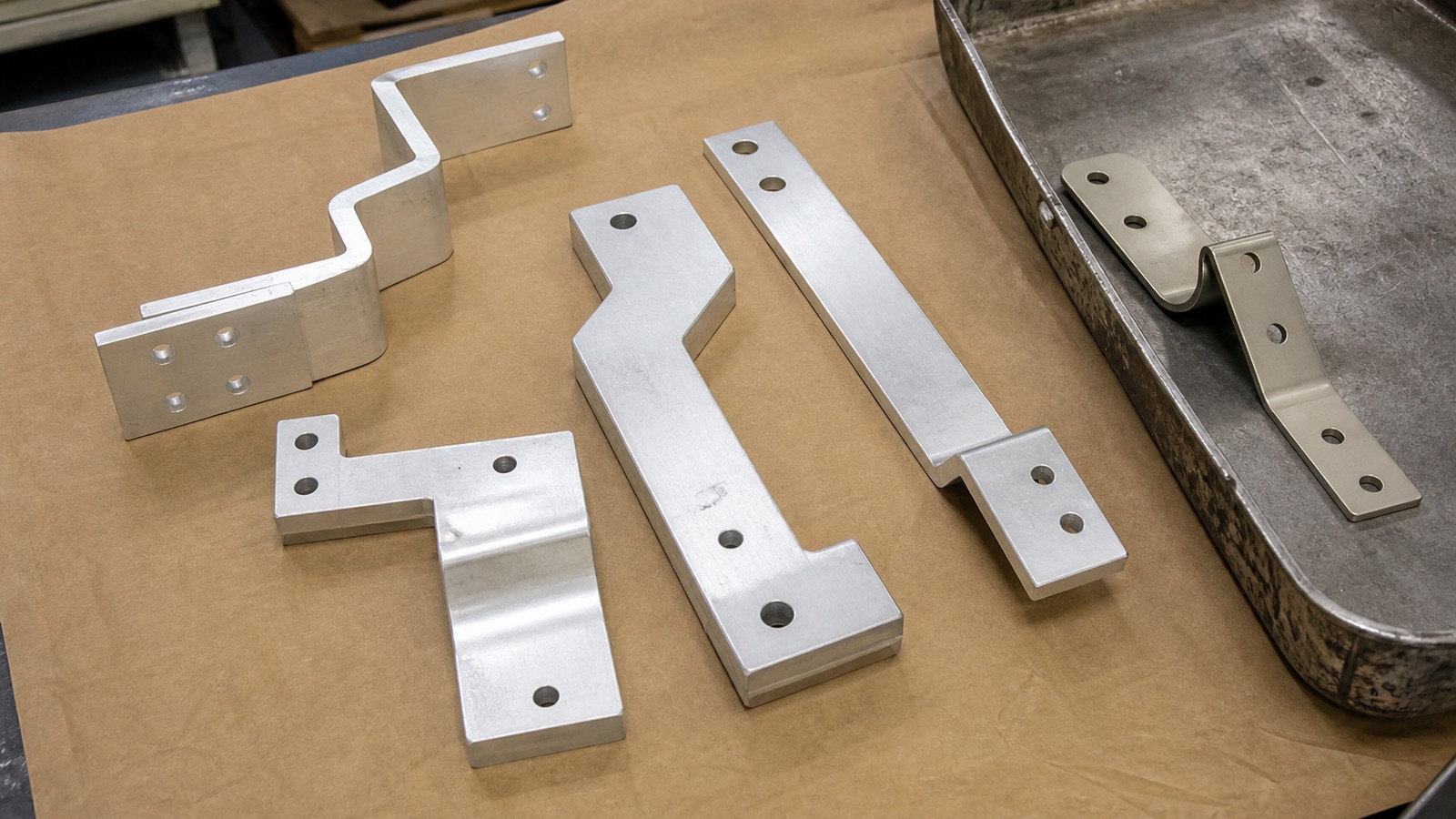
Custom busbar manufacturing
Engineering details are organized around material, tolerance, surface finish, inspection, and production readiness.
Use the inquiry module to send drawings, quantities, standards, and delivery targets for a practical manufacturing review.
Service Details
BusbarMFG is an engineering-first, drawing-based manufacturer of custom aluminum busbars and high-current interconnects. Based in Dongguan, Guangdong, China, we support EV battery systems, energy storage (ESS), power electronics, charging equipment, switchgear, and industrial power distribution programs from prototype to repeat production.
Aluminum busbars help engineering-led OEMs reduce weight and material cost while meeting high-current and thermal requirements. We work from your drawings and application requirements to deliver manufacturable, production-ready aluminum busbar solutions.
Why Aluminum Busbars
- Weight and cost: aluminum can provide significant weight and material cost advantages over copper in high-current distribution.
- Adequate conductivity: common electrical aluminum alloys deliver practical conductivity for many EV, ESS, and power electronics designs.
- Packaging flexibility: formed aluminum busbars can replace cables in tight spaces and reduce assembly variation compared to flexible wiring.
Typical alloys and tempers are confirmed during engineering review. Projects often consider:
- 1xxx/13xx series (e.g., 1050/1060/1070/1350) for high conductivity applications.
- 6xxx series (e.g., 6101-T6, 6061-T6) for improved strength and formed structures.
Final alloy, temper, thickness, and finish selections are validated against the specific application.
From Drawing to Production-Ready Aluminum Busbars
We start with your drawing or model and application details. Our engineering review can cover:
- Material and alloy selection (e.g., 1350, 6101, 6061) and thickness
- Busbar geometry: widths, bends, hole patterns, slots, and mounting features
- Interfaces and joints: bolted connections, bimetal transitions, busbar-to-cable interfaces
- Surface preparation and finishing: contact surfaces, oxidation control, and protective coatings
- Insulation: heat-shrink, sleeves, coatings, or laminated structures (as applicable)
- Special processes: welding, stamping, laminations, and overmolding (subject to review and capability confirmation)
Projects may begin with prototypes or validation lots and proceed to repeat production once requirements are confirmed.
Aluminum Busbar Product Scope
- Solid aluminum busbars: flat and formed parts for EV battery modules/packs, ESS racks, inverters, PCS, UPS, and switchgear.
- Aluminum battery busbars: module and pack interconnects, cell-to-cell links, and high-current pathways.
- Insulated aluminum busbars: heat-shrink, sleeves, or coated busbars for compact, protected assemblies.
- Aluminum busbar assemblies: drawing-based busbar parts integrated with hardware and interconnect elements.
- Flexible and hybrid options: aluminum busbars with flexible sections or bimetal interfaces when required by the application.
Note: CCS integrated busbars, overmolded products, welding, stamping, forming, and other specialized processes must be reviewed against the actual project and confirmed capability before they are represented as available production services.
Design and DFM Considerations for Aluminum Busbars
We collaborate with engineering and sourcing teams to align aluminum busbar designs with manufacturability, performance, and total installed cost.
Key topics during review:
- Current density and thermal behavior: cross-section, allowable temperature rise, airflow, and load profile.
- Interfaces and fasteners:
- Contact surfaces and oxidation control (e.g., surface preparation, joint compounds, or protective finishes).
- Bimetallic transitions for copper-to-aluminum interfaces to manage galvanic risk.
- Hardware stack-ups, washers, and isolation as appropriate to the application.
- Bending and forming:
- Minimum inside bend radii depend on alloy and temper; a starting point for many 6xxx tempers is roughly 1.0–2.0× material thickness (confirm during review).
- Springback, flatness, and post-bend dimensional consistency are checked in the context of production tooling and gauge strategy.
- Surface finishing and insulation:
- Aluminum oxide and contact resistance are addressed through process control and finishing choices.
- Plating on aluminum (e.g., via zincate pretreatment prior to tin/nickel) and bimetal pads can be considered and must be validated per project.
- Anodizing is typically insulating; exposed contact areas should be managed accordingly if anodic coatings are part of the protection scheme.
- Insulation options include heat-shrink, sleeves, and conformal coatings; laminated insulation may be considered for multi-layer structures.
- Mechanical and environmental:
- Vibration, creep, and clamp load retention in service.
- Corrosion management and galvanic isolation in mixed-metal assemblies.
- Routing, assembly tolerance stack-ups, and serviceability.
All final specifications are confirmed through the engineering RFQ process.
Applications We Serve
- EV: battery module and pack interconnects, main busbars, charging and power distribution.
- Energy storage (ESS): rack-level distribution, DC link busbars, and pack-level connections.
- Power electronics: inverter, PCS, and UPS busbars designed for low inductance and compact packaging.
- Charging equipment: high-current DC distribution within charging cabinets and power blocks.
- Switchgear and industrial power: distribution panels, transformer connections, drives, and control cabinets.
Prototyping Through Production
- Prototype and validation builds aligned with your testing plan
- DFM feedback and iterative updates as requirements evolve
- Transition to repeat production once form, fit, and performance are confirmed
- Dimensional consistency, finish quality, and delivery transparency aligned with engineering-led buyers
BusbarMFG does not publish unverified certifications, equipment lists, tolerances, lead times, production capacity, or customer claims. Project-specific requirements are confirmed during technical review.
Engineering RFQ Workflow
For an efficient technical review and quotation, please provide:
- Drawings or models: format and revision control
- Material and finish: alloy (e.g., 1350, 6101, 6061), temper, thickness, plating or coating, insulation requirements
- Quantity and build plan: prototypes, validation lots, and potential production volumes
- Application context: EV, ESS, power electronics, charging, switchgear, or industrial power
- Target dates: sample and production timelines, testing milestones
- Any special processes: welding, bimetal transitions, overmolding, or laminate structures to be reviewed and confirmed
We assess manufacturability, identify risks and alternatives, and prepare an engineering quotation.
Frequently Asked Questions
- When should we choose aluminum over copper?
- Consider aluminum for weight reduction, material cost savings, and when conductivity, thermal performance, and packaging can be met with appropriate alloy and cross-section.
- Can aluminum busbars be plated?
- Plating on aluminum may be feasible (often via zincate-based pretreatment) and is project-dependent. Alternatives include bimetallic interfaces or protected contact surfaces. Final finishing is confirmed during engineering review.
- How do you manage copper-to-aluminum interfaces?
- Options include bimetal transition pads, controlled contact surfaces, hardware stack-ups, and isolation strategies to mitigate galvanic risk. The solution is validated per application.
- Do you support CCS integrated or overmolded aluminum busbars?
- Specialized processes must be reviewed against the actual project and confirmed capability before they are represented as available production services.
Request Pricing for Aluminum Busbar
Share drawings, material grade, tolerance, surface finish, quantity, and delivery schedule. BusbarMFG will review the requirement and respond with the next step.
Engineering RFQ
Upload Your Drawing
Share drawings or models, material, plating or insulation requirements, quantity, application, and target date. We will review the technical requirements before confirming manufacturing options.
Email: info@busbarmfg.com
Address: Huali Industrial Park, Xianghe Road, Dalang Town, Dongguan City, Guangdong Province, China