
Flexible Insulated Busbar
Engineering-first custom flexible insulated busbars for EV battery systems, energy storage, power electronics, charging equipment, switchgear, and industrial power applications.
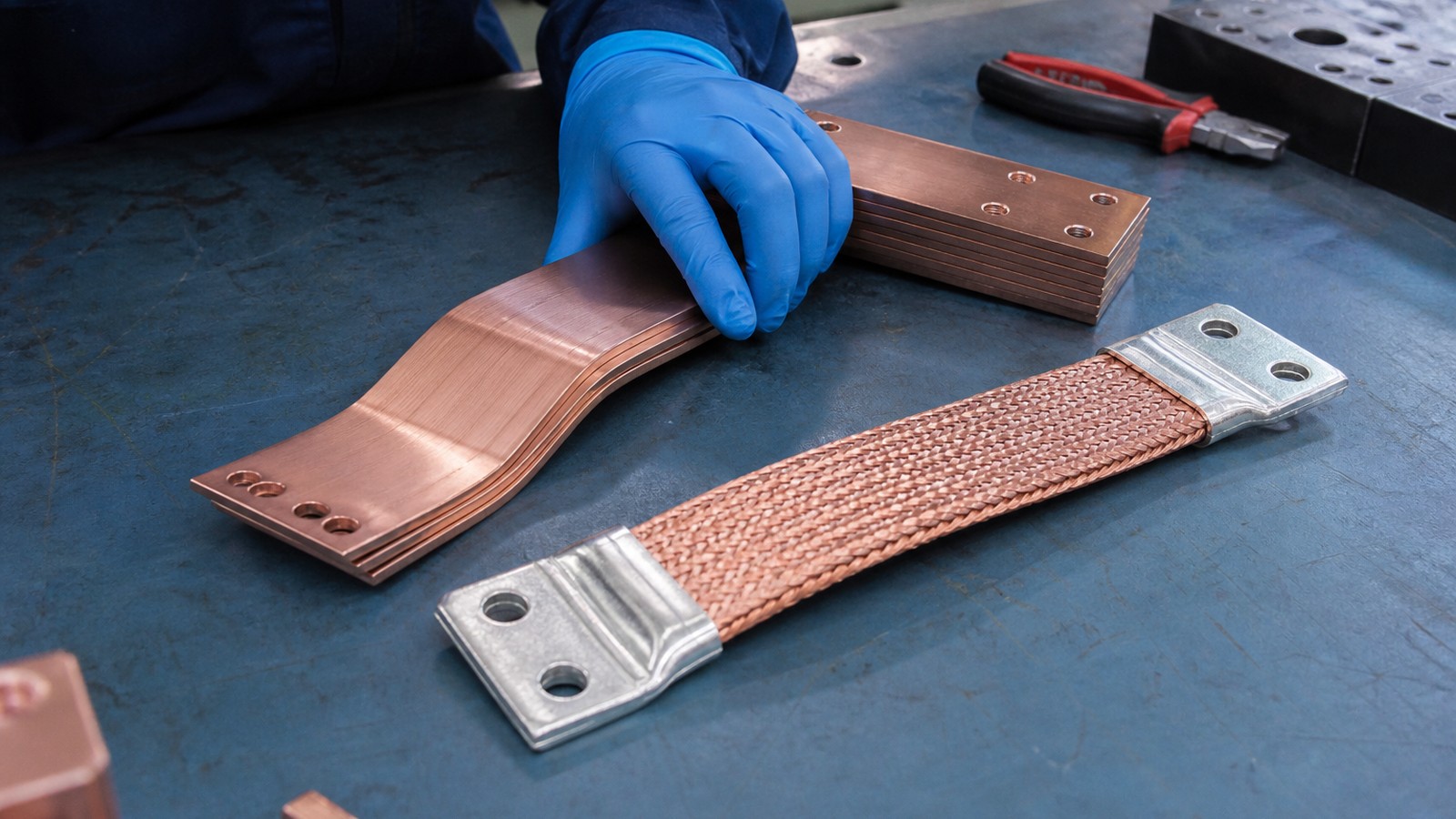
Custom busbar manufacturing
Engineering details are organized around material, tolerance, surface finish, inspection, and production readiness.
Use the inquiry module to send drawings, quantities, standards, and delivery targets for a practical manufacturing review.
Service Details
Engineering-first custom flexible insulated busbars for EV battery systems, energy storage, power electronics, charging equipment, switchgear, and industrial power applications.
About BusbarMFG
BusbarMFG is an engineering-led, drawing-based busbar manufacturer in Dongguan, Guangdong, China. We build copper and aluminum busbars and battery interconnect components to customer specifications, supporting programs from prototype through repeat production. Our technical review covers material selection, thickness, insulation, plating, bends, holes, interfaces, and connection methods.
What Is a Flexible Insulated Busbar?
A flexible insulated busbar combines a current-carrying flexible conductor with an integrated insulation system to manage vibration, assembly variation, and tight packaging. Typical constructions include:
- Copper foil stacks or braided copper designed for flexure
- Insulation applied via heat-shrink, coatings, sleeves, or laminated dielectric layers
- Engineered terminations (holes, formed ends, welded or riveted lugs) for reliable assembly
Use cases:
- EV and ESS modules/packs requiring vibration tolerance and compact routing
- Power electronics where low inductance and controlled creepage/clearance are critical
- Switchgear and industrial power cabinets with tight layouts and repeatable assembly needs
Where Flexible Insulated Busbars Fit
- EV battery modules and packs: cell-to-cell, module-to-bus, and pack interconnects
- Energy storage systems: module jumpers, rack interconnects, DC bus links
- Power electronics: inverters, PCS, UPS, rectifiers, DC links with reduced inductance
- Charging equipment: high-current flexible jumpers with defined insulation classes
- Switchgear and industrial power: vibration-tolerant links and cabinet routing
Engineering-First, Drawing-Based Builds
We start with your drawing and application requirements. Our review focuses on:
- Electrical and thermal: current path, temperature rise, duty cycle, target inductance
- Mechanical: bend allowances, flex zones, strain relief, hole patterns, stack-up
- Interfaces: fasteners, threaded inserts, studs, bus joints, and weld readiness
- Materials: copper or aluminum conductors; plating for corrosion and contact performance
- Insulation: dielectric choice, creepage/clearance, edge coverage, rework/repair approach
- Manufacturability: forming, joining, insulation application, inspection points
Projects typically proceed from prototypes or validation batches toward repeat production once requirements are confirmed.
Conductor Options
- Copper foil flexible busbars: stacked foils for flexibility and low inductance
- Braided or stranded copper jumpers: high-flex lifecycle and vibration absorption
- Aluminum flexible links: weight and cost tradeoffs where compatible with design and joining
Plating options for copper conductors can include tin, nickel, or silver as specified. Aluminum surface preparation and joining methods are reviewed against project requirements.
Insulation Systems
We build to your insulation specification and application method:
- Heat-shrink sleeving for defined coverage and compact profiles
- Coated or dip-coated layers for complex geometries
- Extruded or textile sleeves for abrasion resistance and serviceability
- Laminated dielectric films where low inductance and compact stacking are important
Creepage and clearance targets, thickness, voltage class, color, and labeling are verified during technical review.
Interfaces and Terminations
- Holes, slots, and shaped ends for bolted joints
- Press-fit hardware or threaded inserts (application-dependent)
- Weld-ready tabs, riveted lugs, and crimp interfaces as specified
- Forms and offsets for assembly tolerance and stress relief
- Identification and lot traceability per project requirements
Benefits for Engineering-Led OEMs
- Vibration and assembly tolerance management in EV, ESS, and power electronics
- Controlled dielectric spacing and consistent insulation quality
- Compact routing with lower loop inductance compared to cables or solid links
- Repeatable assembly and improved module or cabinet build times
- Pathway from prototype to validated production under one engineering review
Request Pricing for Flexible Insulated Busbar
Share drawings, material grade, tolerance, surface finish, quantity, and delivery schedule. BusbarMFG will review the requirement and respond with the next step.
Contact BusbarMFG
Get in touch with our engineering team for custom busbar manufacturing inquiries. We provide precision-engineered solutions for your power distribution needs.
Huali Industrial Park, Xianghe Road, Dalang Town, Dongguan City, Guangdong Province, China