
Silver Plated Copper Busbar
Engineering-first, drawing-based manufacturing of silver plated copper busbars and high-current interconnects for EV battery systems, energy storage, power electronics, charging equipment, switchgear, and industrial power distribution.
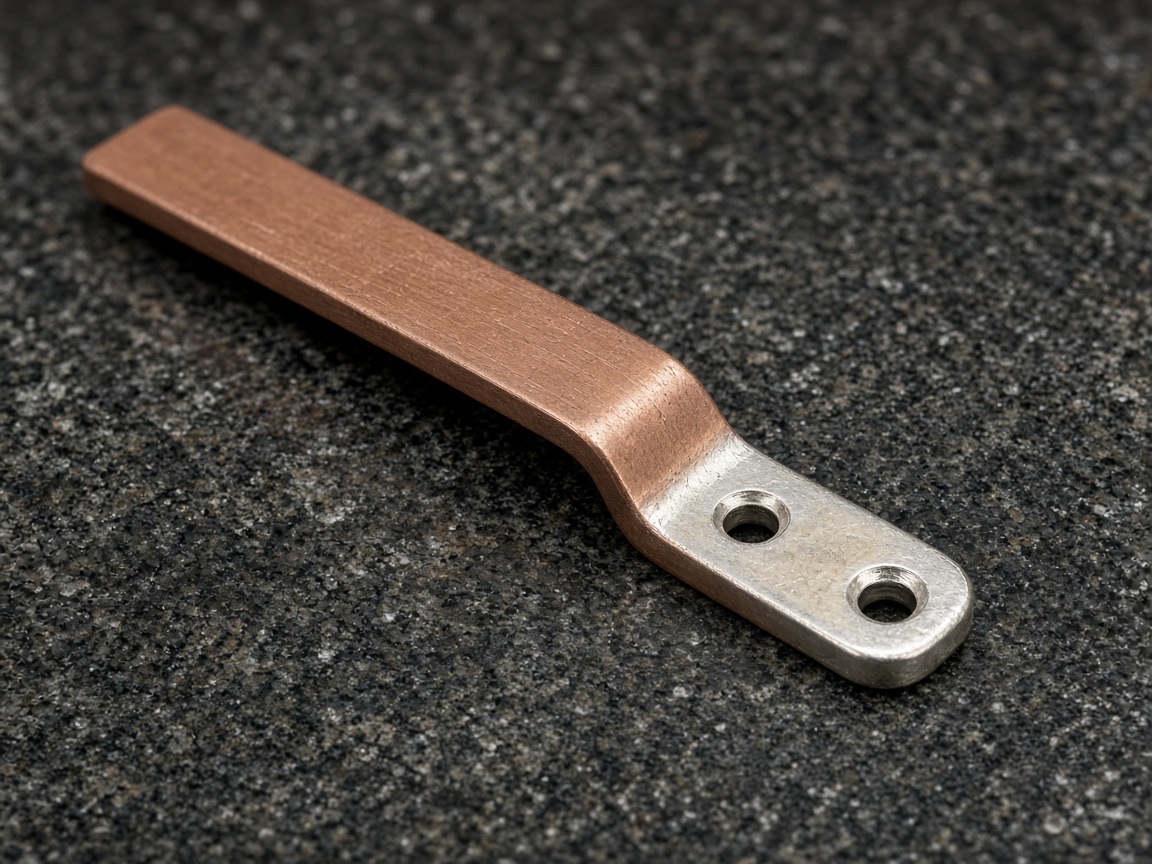
Custom busbar manufacturing
Engineering details are organized around material, tolerance, surface finish, inspection, and production readiness.
Use the inquiry module to send drawings, quantities, standards, and delivery targets for a practical manufacturing review.
Service Details
Engineering-first, drawing-based manufacturing of silver plated copper busbars and high-current interconnects for EV battery systems, energy storage, power electronics, charging equipment, switchgear, and industrial power distribution.
BusbarMFG is an engineering-led custom busbar manufacturer based in Dongguan, Guangdong, China. We build from your drawings and application requirements, starting with prototypes or validation lots and progressing to repeat production as specifications are confirmed.
Why Specify a Silver Plated Copper Busbar
Silver plating on copper busbars is selected when connection performance and reliability are critical:
- Low contact resistance: Silver provides one of the lowest contact resistances among common finishes, supporting high-current, low-loss interfaces.
- High conductivity: Silver’s high conductivity aids current transfer at bolted joints and sliding contacts.
- Stable performance under load: Suitable for applications with frequent mate/demate, high clamping forces, or elevated temperatures.
- Fretting and vibration resistance: In properly designed joints, silver helps mitigate micro-motion effects compared to tin-only finishes.
- High-frequency and low-inductance systems: Complements laminated and compact busbar designs for inverter, charger, and power conversion assemblies.
- Corrosion behavior: Silver may tarnish in sulfur-containing atmospheres, but tarnish has minimal impact on conductivity at bolted interfaces; anti-tarnish topcoats or sealed assemblies can be considered.
Common use cases include EV battery module busbars and sense tabs, inverter DC link and phase connections, charging equipment distribution bars, UPS/PCS power stages, and switchgear bolted joints where low and stable contact resistance is essential.
Product Scope for Silver-Plated Builds
BusbarMFG manufactures drawing-based parts across multiple busbar formats, with silver plating specified where appropriate:
- Solid copper busbars: Flat or formed copper parts with selective or full silver plating on functional surfaces.
- Laminated busbars: Multilayer structures designed for compact packaging and low inductance, with specified silver on terminals or contact pads.
- Flexible busbars: Copper foil or braid-based designs with silvered terminations or interfaces as required.
- Insulated busbars: Heat-shrink, coated, sleeved, or otherwise insulated copper bars, with exposed silver-plated pads per drawing.
- Battery and power electronics interconnects: Engineered, low-resistance connection components for modules, packs, and converter assemblies.
Note: CCS integrated busbars, overmolded products, welding, stamping, forming, and other specialized processes are reviewed against the actual project and confirmed before they are represented as available production services.
Engineering Considerations for Silver Plated Copper Busbars
When specifying a silver plated copper busbar, please align your drawing and application notes with the intended function:
- Base copper: Indicate grade (e.g., ETP C110, oxygen-free), thickness, and any anneal or hardness requirements.
- Plating thickness and class: Provide silver thickness range and hardness class (soft or hard silver) suitable for your contact mechanics and wear expectations.
- Underplate/barrier layers: Specify if a nickel or other barrier layer is required to control diffusion or enhance wear resistance.
- Selective plating: Identify pads, holes, or edges requiring silver; indicate masked or non-plated areas, including insulation bond zones.
- Measurement and acceptance: Call out measurement method and acceptance criteria for plating thickness and coverage per your chosen standard.
- Mating hardware and finishes: Note counter-surface finishes (e.g., tin, nickel, silver, stainless steel) and clamping method to ensure joint compatibility.
- Environment: Provide exposure conditions (humidity, sulfur-containing atmospheres, temperature cycles); consider anti-tarnish or sealed assemblies if needed.
- Insulation scheme: Define insulation approach (heat-shrink, coating, sleeving) and clearance/creepage requirements around silvered pads.
- Thermal and current targets: Share expected current, duty cycle, and allowable temperature rise to support DFM and material selection.
- Mounting and interfaces: Include hole sizes, slots, alignment features, and any requested chamfers or deburr levels for consistent assembly.
BusbarMFG provides a technical review focused on manufacturability, plating and insulation feasibility, bend geometry, holes and slots, interfaces, and connection methods. Tolerances and process details are confirmed project-by-project during engineering review.
Plating Notes and Options
BusbarMFG manufactures to customer drawings and can align to customer-specified plating standards. Typical considerations include:
- Thickness: Silver thickness specified to suit the intended joint design and durability; include functional minimums and inspection method on the drawing.
- Hardness: Choose soft silver for low contact resistance; consider hard silver (with specified hardness range) for wear-prone interfaces.
- Barrier layers: Nickel underplate may be specified to limit copper migration and support repeated mating.
- Selectivity: Functional pads often receive silver; non-functional regions may remain bare copper or use alternate finishes per cost/DFM tradeoffs.
- Anti-tarnish: Optional topcoats can reduce discoloration in sulfurous environments; confirm compatibility with contact requirements.
- Mixed finishes: Some assemblies combine silver-plated contact pads with tin or nickel on non-contact areas to balance performance and cost.
Please include your plating stack-up and acceptance criteria on the drawing to support accurate quoting and production.
Applications and Markets
- EV and battery systems: Module-to-bus connection bars, main positive/negative links, sense and low-resistance reference connections.
- Energy storage: DC link busbars, power distribution bars within ESS cabinets and PCS units.
- Power electronics: Inverter DC and AC phase busbars, rectifier and DC link connections, low-inductance laminated structures with silvered terminals.
- Charging equipment: High-current distribution and interface bars within chargers and power supply cabinets.
- Switchgear and industrial power: Bolted joint busbars with low contact resistance and consistent assembly behavior.
How We Work: From Drawing to Production-Ready Busbars
- Engineering-first RFQ: Share drawings or models, material and plating spec (silver thickness, hardness, barrier layers), insulation requirements, quantities, application, and target date.
- DFM feedback: We assess manufacturability, discuss selective plating, insulation interfaces, bends, holes, and assembly features.
- Prototypes and validation: Projects typically start with prototypes or validation batches to prove fit, electrical performance, and assembly repeatability.
- Repeat production: As specifications stabilize, we align on inspection points, packaging, and delivery cadence appropriate to your program.
BusbarMFG does not publish unverified certifications, equipment lists, tolerances, lead times, production capacity, or customer claims. Project-specific requirements are confirmed during technical review.
RFQ Checklist for a Silver Plated Copper Busbar
Include the following to enable an efficient quotation and technical review:
- Drawings or 3D models with:
- Base copper grade and thickness
- Silver plating thickness and hardness class
- Any barrier layers (e.g., nickel) and anti-tarnish requirements
- Selective plating and masked areas
- Insulation callouts and keep-out regions
- Hole/slot details, threads or inserts, and interface pads
- Performance context:
- Current, duty cycle, temperature rise targets
- Environmental exposure (humidity, sulfurous atmosphere, vibration)
- Mating surface finishes and fastener types
- Quantities and schedule:
- Prototype/validation quantities and desired dates
- Expected production ramp or order bands
- Acceptance criteria:
- Plating measurement and inspection method
- Electrical contact resistance or joint tests if applicable
- Any referenced standards or internal specifications
Design and Assembly Guidance
- Joint design: Ensure adequate clamping, flatness, and surface preparation to benefit from silver’s low contact resistance.
- Dissimilar metals: Call out counter-surface finishes; avoid galvanic pairs without proper design and sealing.
- Selective insulation: Keep insulation clear of silvered pads; define edge distances and reliefs to maintain creepage and clearance.
- Handling and packaging: Request protective films or separators if needed to preserve plated surfaces during transit and kitting.
- Testing: Consider contact resistance measurement, thermal cycling, and vibration testing during validation where joint integrity is critical.
For numeric tolerances, thickness ranges, or test levels, please specify on the drawing or in your acceptance documentation; these will be reviewed during the technical assessment.
Request Pricing for Silver Plated Copper Busbar
Share drawings, material grade, tolerance, surface finish, quantity, and delivery schedule. BusbarMFG will review the requirement and respond with the next step.
Contact BusbarMFG
Get in touch with our engineering team for custom busbar manufacturing inquiries. We provide precision-engineered solutions for your power distribution needs.
Huali Industrial Park, Xianghe Road, Dalang Town, Dongguan City, Guangdong Province, China