
Tin Plated Copper Busbar
Engineering-first, drawing-based tin plated copper busbars for EV battery systems, energy storage, power electronics, charging equipment, switchgear, and industrial power distribution.
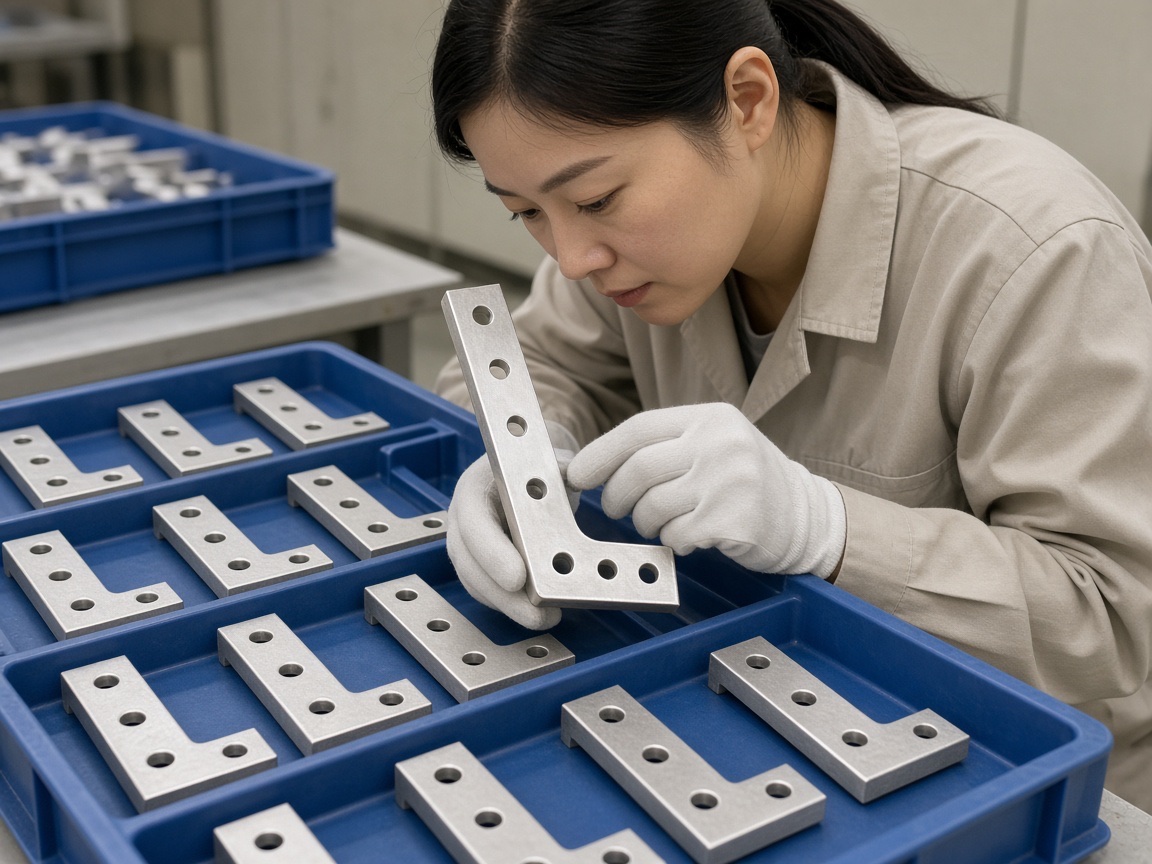
Custom busbar manufacturing
Engineering details are organized around material, tolerance, surface finish, inspection, and production readiness.
Use the inquiry module to send drawings, quantities, standards, and delivery targets for a practical manufacturing review.
Service Details
Engineering-first, drawing-based tin plated copper busbars for EV battery systems, energy storage, power electronics, charging equipment, switchgear, and industrial power distribution.
BusbarMFG is a custom busbar manufacturer based in Dongguan, Guangdong, China. We manufacture copper and aluminum busbars and battery interconnect components to your drawing, with engineering review that covers material, plating, insulation, bends, holes, interfaces, and connection methods. Projects commonly start with prototypes or validation lots and progress to repeat production as requirements are confirmed.
Why Tin Plated Copper Busbars
Tin plating on copper busbars is a widely used contact finish for high-current applications. It offers a practical balance of cost, contact performance, and corrosion resistance across EV, ESS, and power electronics systems.
Typical reasons to specify tin plated copper busbars:
- Reduced contact resistance at bolted joints compared to bare copper
- Improved corrosion resistance and environmental durability
- Solderability on selected designs, where applicable
- Compatibility with aluminum interfaces in mixed-metal assemblies (with appropriate joint design and fasteners)
- Cost-effective alternative to silver for many environments
- Availability of matte or bright tin, full or selective coverage, and optional nickel underlayers per drawing
If you are localizing supply, redesigning cable to busbar, transitioning copper-to-aluminum elsewhere in the system, or tightening packaging for lower inductance, tin plated copper busbars are often a solid baseline finish for evaluation.
Applications
We support engineering-led OEMs and integrators across:
- EV battery modules and packs: cell and module interconnects, main busbars, service disconnect interfaces
- Energy storage systems (ESS): DC link and distribution, string and rack interconnects
- Power electronics: inverter, PCS, UPS DC bus and phase bars; DC link busbars; rectifier and charger assemblies
- Charging equipment and power supplies: high-current distribution plates and connectors
- Switchgear and industrial power: distribution panels, transformer terminals, motor drives, and control cabinets
From Drawing to Production-Ready Busbars
Our workflow begins with your drawing and application requirements:
- Engineering review: material, thickness, plating, insulation, bends, holes, slots, threads, interfaces, and assembly methods
- Prototypes and validation: build-to-print parts for fit, form, and function testing
- Repeat production: progressive release as requirements, documentation, and quality checks are confirmed
BusbarMFG does not publish unverified certifications, equipment lists, tolerances, lead times, production capacity, or customer claims. Project-specific requirements are confirmed during technical review.
Tin Plating Options and Considerations
We manufacture tin plated copper busbars to customer drawings, including:
- Finish types: matte tin or bright tin, per drawing specification
- Coverage: full tin plating or selective tin plating with masked areas (e.g., contact pads, threaded features, or insulation interfaces)
- Thickness: applied to your specified range; common ranges are reviewed during DFM
- Underlayers: optional nickel barrier under tin for selected environments and mating requirements
- Alternative finishes: bare copper, nickel, silver, or mixed finishes as defined in your documentation
Plating standards and verification:
- We work to your stated plating requirements and callouts (e.g., standards such as ASTM or company-specific specs)
- Test and inspection requirements should be included in your RFQ package for review and quotation
Design notes:
- Define contact surfaces and torque specifications for bolted joints
- Consider selective plating to optimize both contact performance and cost
- Identify any post-plating forming or machining in your sequence to maintain finish integrity
- For mixed-metal joints (e.g., Cu busbar to Al terminal), include fastener, washer, and interface stack details for consistent performance
Base Materials and Busbar Types
- Copper busbars: solid or formed copper busbars per your specified copper grade and thickness (e.g., common busbar coppers)
- Flexible busbars: stacked foil or braided constructions with tin plated copper terminations or ends
- Laminated busbars: multilayer designs where low inductance and compact packaging are priorities (finish scope per drawing)
- Insulated busbars: heat-shrink, coated, sleeved, or other insulated configurations with tin plated contact pads or windows, as specified
Note: CCS integrated busbars, overmolded products, welding, stamping, forming, and other specialized processes are reviewed against the actual project and confirmed before they are represented as available production services.
Insulation, Masking, and Assemblies
We support tin plated copper busbars as part of broader assemblies:
- Insulation: heat-shrink, coated, or sleeved configurations as defined by your drawing
- Masking: selective plating and/or selective insulation per specified areas
- Hardware and interfaces: holes, slots, threads, PEMs, and alignment features per your documentation
- Labeling and identification: as required by your production drawing and BOM
Design for Manufacturability (DFM)
To speed validation and improve repeatability:
- Bends and forming: specify radii, bend lines, and order of operations; avoid post-plating deformation unless designed for it
- Holes and slots: define tolerances, countersinks/counterbores, chamfers, and surface finish at contact areas
- Contact pads: call out plating thickness, masking, and any roughness requirements for bolted joints
- Thermal and current: share current, temperature rise targets, and environment to guide material and finish choices
- Assembly interfaces: define stack-up, fastener specs, and washer types for repeatable electrical contact
Our engineering review highlights manufacturability and risk factors early, supporting faster prototype approval and smoother ramp to repeat production.
Quality and Documentation
- Build-to-print: we follow your drawing, BOM, and process notes
- Documentation: dimensional checks, plating coverage checks, and other inspections per your requirements
- Traceability: project-specific documentation and acceptance criteria are defined during technical review
Request Pricing for Tin Plated Copper Busbar
Share drawings, material grade, tolerance, surface finish, quantity, and delivery schedule. BusbarMFG will review the requirement and respond with the next step.